
Say goodbye to the hassle of changing a flat tire or waiting for roadside assistance – our run-flat tires keep you moving without disruption. Engineered with reinforced sidewalls and a unique internal structure, these innovative tires allow you to continue driving for up to 50 miles after a puncture or complete loss of air pressure. Our premium selection showcases the latest offerings from top brands like Michelin, Continental, and Goodyear, as well as options tailored for premium vehicles like BMWs and Teslas. It’s the perfect time to upgrade to the game-changing technology of run flat tires and experience unparalleled peace of mind on every journey.

Shop all Run Flat Tires
-
 Delivered between 10/6 and 10/12
$406.08 - $607.53/ea
 Set of 4
Starting at /week
Set of 4
Starting at /week
 Set of 4
Starting at $34.72/week
Options Available: 5
Set of 4
Starting at $34.72/week
Options Available: 5 -
 Delivered between 10/6 and 10/12
$351.53 - $378.98/ea
Set of 4
Starting at /week
Set of 4
Starting at $30.04/week
Options Available: 2 -
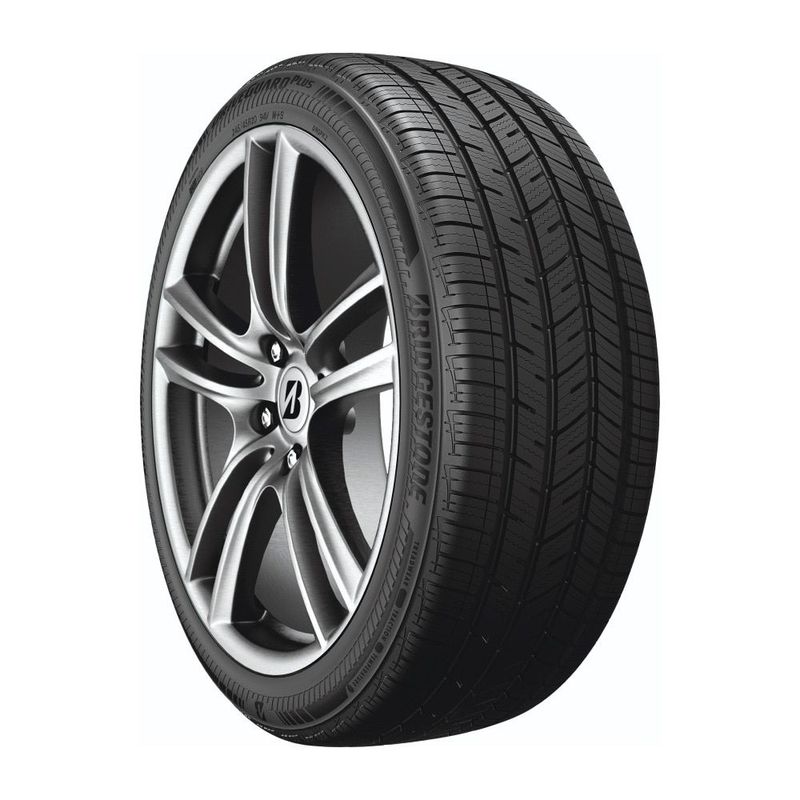 Delivered between 10/6 and 10/12
 -
 Delivered between 10/6 and 10/12
$466.57 - $583.85/ea
Set of 4
Starting at /week
Set of 4
Starting at $39.88/week
Options Available: 4 -
 Delivered between 10/6 and 10/12
$324.88 - $340.27/ea
Set of 4
Starting at /week
Set of 4
Starting at $27.80/week
Options Available: 2 -
 Delivered between 10/6 and 10/12
 -
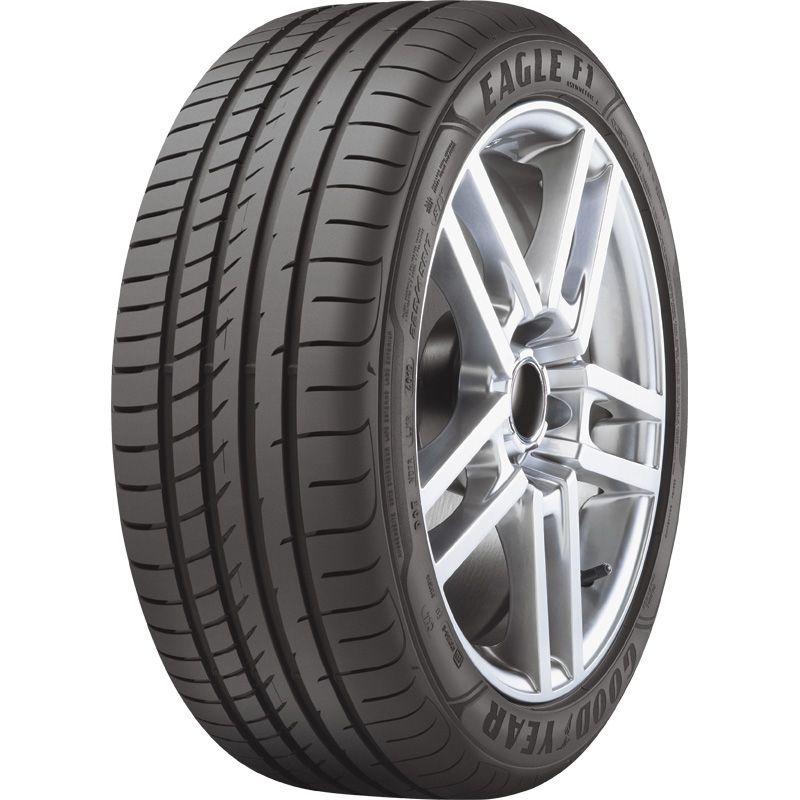 Delivered between 10/6 and 10/12
$397.69 - $452.38/ea
Set of 4
Starting at /week
Set of 4
Starting at $34.00/week
Options Available: 4 -
 Delivered between 10/6 and 10/12
 -
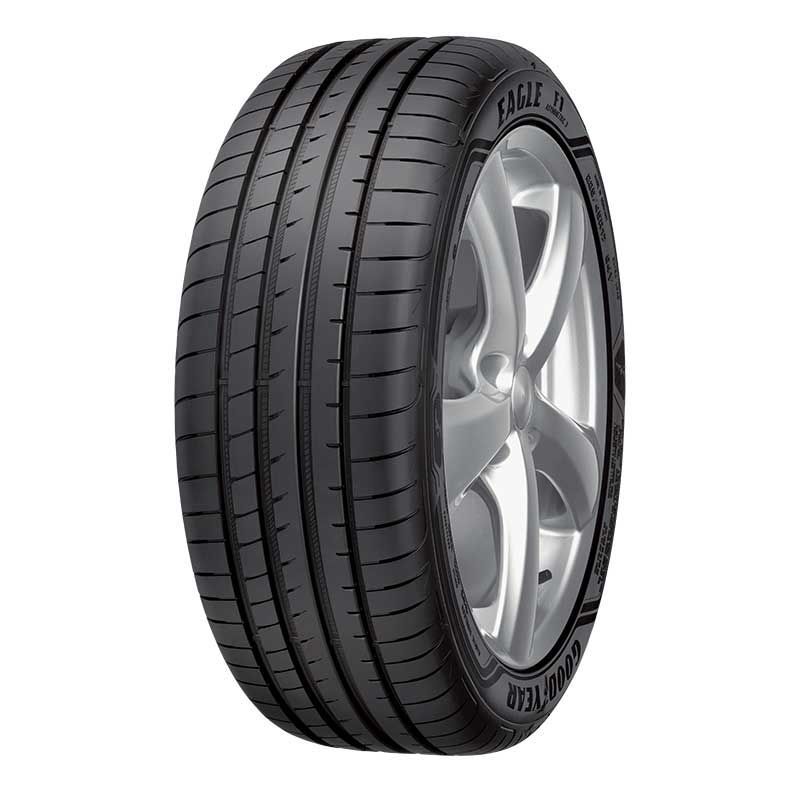 Delivered between 10/6 and 10/12
$462.41 - $588.05/ea
Set of 4
Starting at /week
Set of 4
Starting at $39.56/week
Options Available: 2 -
Up to $25 or more discount on checkout
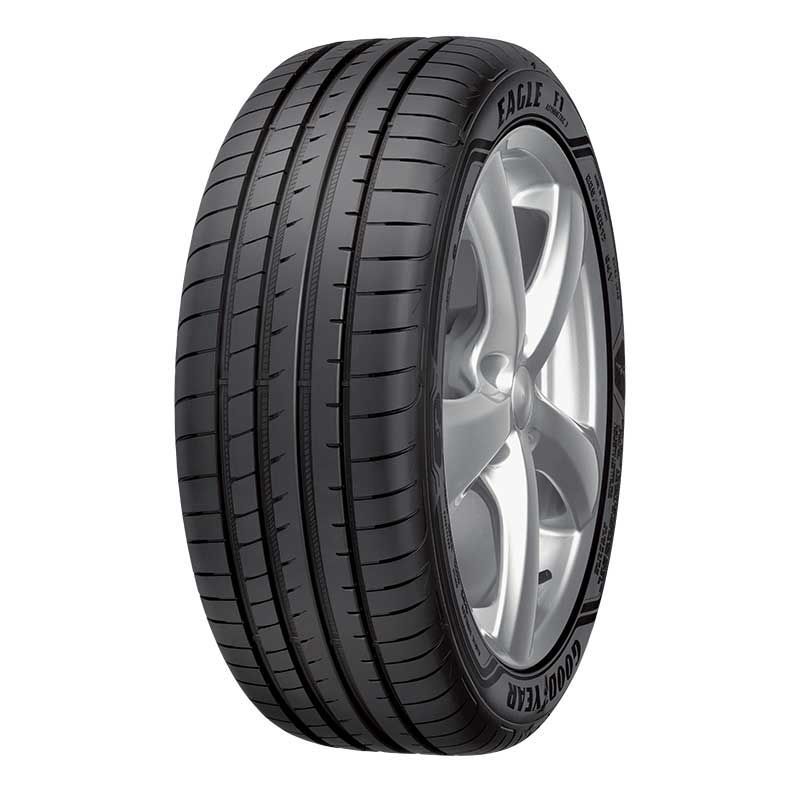 Delivered between 10/6 and 10/12
$402.43 - $522.04/ea
Set of 4
Starting at /week
Set of 4
Starting at $34.40/week
Options Available: 11
