Table of Contents
“Are alloy wheels good?” sounds like a simple question, but the answer depends on more than appearance. Compared with many conventional steel wheels, alloy wheels can be lighter, reducing unsprung and rotational mass that affects suspension response and acceleration. Their aluminum-alloy construction also conducts heat well and gives manufacturers more flexibility when designing different wheel shapes and sizes.
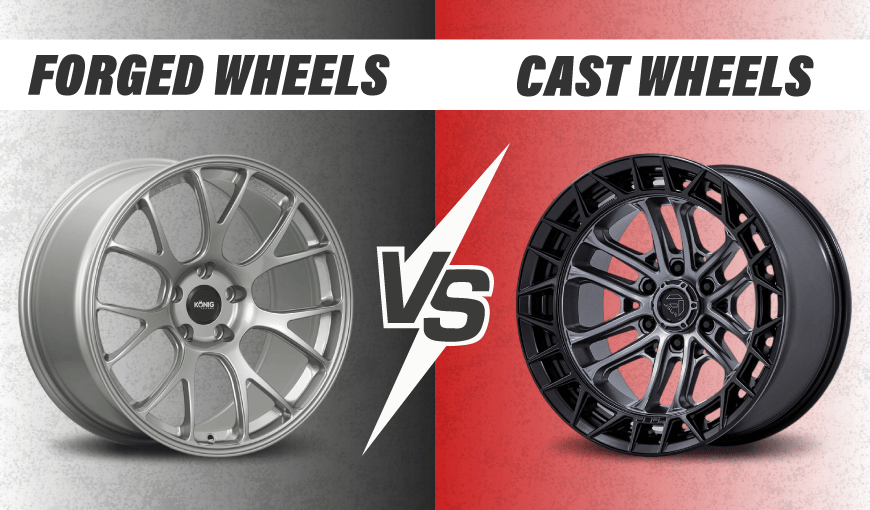
But “alloy” does not automatically mean better. Cast, flow-formed, and forged wheels use different manufacturing methods, and that can affect their weight, strength, durability, and price. A well-made cast wheel can be a practical choice for everyday driving, while performance-focused drivers may prefer the weight savings and strength-to-weight advantages that can come with flow-formed or forged construction.
Discounted Wheel Warehouse offers a wide range of alloy wheels with a price match guarantee, quick 2-day shipping, and no-question-asked returns. Need any assistance? Call us at (800) 901-6003 to talk to our experts and find the perfect alloy wheels for your ride.
“Alloy rims are a worthwhile upgrade if you want less weight and more design flexibility. The key is choosing a quality wheel that suits your vehicle and driving needs.”
Shane N.
(Director of Sales)
So, are aluminum wheels worth the money? Let’s look at how they perform, how well they hold up, what they mean for safety, and what you can expect to spend on them.
What Are Alloy Wheels Made Of?
Most alloy wheels are made from aluminum mixed with other metals. You’ll commonly see silicon, magnesium, copper, or zinc added to the mix. This type of construction can provide lower weight, good heat conduction, and greater design flexibility than conventional steel wheels.
Alloy wheels are mainly made using three methods: cast, forged, and flow-formed. Each one affects the wheel’s weight, strength, and price in a different way.
How Alloy Wheels Are Different Than Standard Steel Rims?
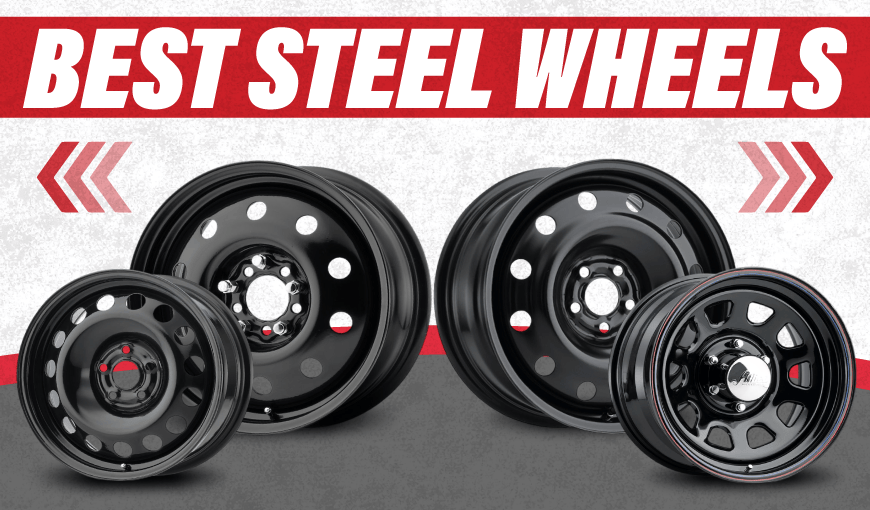
Aluminum alloy wheels and steel rims do the same basic job, but they’re quite different when it comes to weight, construction, and looks. Here’s how the two stack up:
- Material: Most alloy rims use aluminum alloys, while steel rims are made from steel. You’ll get a different mix of weight, strength, and feel from each because of the materials used.
- Steering Response: If you’re moving from heavier steel wheels to a lighter set of alloys, you’ll often notice the steering feels a little quicker. The difference depends on the weight of the wheels you’re comparing.
- Construction: You’ll find alloy wheels made through casting, flow forming, or forging. Steel rims are usually stamped into shape, then the individual pieces are welded together.
- Greater Design Flexibility: You’ll find a huge range of looks with alloy wheels. Manufacturers can play around with spoke layouts, shapes, and finishes in ways that aren’t as easy with steel rims.
Why Invest In Alloy Wheels
Thinking about switching to alloy rims? The looks are only part of the story. Here’s what else you get when you leave steel wheels behind.
- Lower Weight: Alloy rims can shed some weight compared with steel wheels. That reduction in unsprung and rotational mass can make the vehicle feel more responsive on the road.
- Corrosion Resistance: Unlike steel, aluminum doesn’t develop the same type of rust. It forms a thin oxide layer on its surface, while the wheel’s finish provides extra protection.
- More Design Choices: Tired of the factory wheels? Alloy rims give you plenty of ways to change it. Pick a design that suits your vehicle and make it your own.
- Efficient Heat Transfer: Aluminum is a good heat conductor, so alloy rims can help move heat away from the brakes. Still, the wheel’s design and airflow matter just as much.
Pros and Cons of Alloy Wheels
Pros:
- Lighter than steel wheels, which can help improve steering response.
- Durable and long-lasting.
- Many designs and finishes to suit your style.
- Improve fuel efficiency.
- Work well for city driving, highway tires, or off-road adventures.
Cons:
- It costs more than steel wheels.
- It can get scratched or dented more easily than steel (if not used with care).
Popular Alloy Wheels You Need to See
Konig Forged F1M

The Konig Forged F1M gives performance builds a sharp, sporty look. Its split-spoke design keeps the face clean and modern, while the forged construction adds the strength you want from a performance wheel. A Konig-branded center cap completes the design with a subtle finishing touch.
- Available Sizes: 17”, 18”, and 19”
- Finishes: Satin Black and Ash Silver
- As of August 27, 2026, DWW Financing offers a set of 4, starting at $19.32/week.
Fuel Rincon Beadlock

When the trail gets rough, the Fuel Rincon Beadlock brings more than just a tough appearance. Its aggressive split 8-spoke pattern and concave profile create a bold off-road look, while the beadlock ring provides the function needed for running lower tire pressures on the trail. Cast aluminum construction adds the strength and durability needed for demanding off-road use. A Fuel-branded center cap just adds the finishing touch.
- Available Sizes: 17” and 20”
- Finishes: Machined, Blackout, and more
- As of August 27, 2026, DWW Financing offers a set of 4, starting at $14.29/week.
Motegi MR131 Traklite

The Motegi MR131 Traklite keeps things clean with a simple 5-spoke design and a sporty look. Its flow-formed construction helps keep the wheel light while still giving it the strength you need. You’ll also find “TRAKLITE” etched into one spoke for a small, performance-inspired touch, while the Motegi center cap adds the right finishing detail.
- Available Sizes: 17” and 18”
- Finishes: Satin Black and Matte Bronze
- As of August 27, 2026, DWW Financing offers a set of 4, starting at $9.25/week.
Customer Feedback
Drivers who switch to alloy wheels notice the improvements in responsiveness and the sleek appearance they bring to their vehicles. Off-road enthusiasts love their resilience on rough terrains, while urban drivers appreciate the fuel savings and stylish look. However, some customers mention the need for extra care, as cosmetic scratches and dents can occur more quickly than with steel wheels.
Final Takeaways
If you’re wondering whether alloy wheels are worth it, they can be a good upgrade if you want a lighter setup, more style options, and better heat dissipation. Go with the Konig Forged F1M for a performance-focused look, the Fuel Rincon Beadlock for serious off-road builds, or the Motegi MR131 Traklite for a lightweight, sporty setup that works well for everyday driving.
Save up to $400 on our signature tire and rim packages. Choose your favorite wheels, pair them with guaranteed-fit tires, get free mounting and balancing, and enjoy great deals with fast doorstep delivery.
Frequently Asked Questions
Yes. If you’re replacing your factory wheels anyway, alloy rims are worth a look. You get more design choices and, depending on the wheel, a lighter setup too.
Alloy wheels are lighter, and you’ll find a lot more styles to choose from. Steel wheels are heavier and pretty basic, but they usually cost less and tend to bend when they take a hard hit instead of cracking.
Yes, alloy wheels are good for off-road use as they are lightweight and improve handling on rough terrain. However, compared to steel wheels, they can be prone to cracking under extreme impact.
Alloy wheels perform well in winter due to better heat dissipation, which helps prevent brake freezing. However, they require regular cleaning to avoid corrosion from road salt.