Table of Contents
When you want to ensure the optimal performance from your vehicle, the LT versus P tires battle is more than just about size – it’s also about safety, capability, and confidence behind the wheel. Are you seeking smooth and quiet rides during daily commutes or tough strength when hauling and going off-road? The "LT" and "P" you see on the sidewalls of tires are more than just letters; they indicate different construction standards, load capabilities, and intended use.
This fundamental contrast is crucial for safety, ease of driving, and savings. Discounted Wheel Warehouse offers an extensive inventory of LT and P tires, along with fast shipping, price assurance, and no-questions-asked returns. For detailed performance insights, contact our staff at (800) 901-6003 for expert advice.
“There is no doubt that Liquid Metal Wheels are the best choice among all the aftermarket wheel brands. Why? Because they have alloy and steel construction, they are durable and lightweight.”
Shane N.
(Director of Sales)
When considering options for tires on a truck, SUV, or van, the letters P or LT are translated into specific size numbers. These letters reveal a great deal about the tire, its design, and its intended purpose. Let's take a closer look at these critical differences.
Decoding the Labels: P vs LT Tires
P-Metric Tires: The Passenger's Choice
These tires are known as P-metric tires, where "P" denotes "Passenger". They are designed for Passenger cars, minivans, crossover SUVs, and most light-duty pickups and sport utility vehicles. They are built on comfort, fuel efficiency, and good handling on paved roads. For vehicles that are not regularly designed for heavy hauling, towing, or rugged off-roading, these are typically the standard passenger tires.
LT Tires: Built for Tough Jobs
LT tires ("Light Truck") are built tough. They’re for vehicles that have to haul heavy loads, tow large trailers, or navigate off-road in rough terrain. Perfectly works as truck tires, they are suitable for lighter-duty pickup trucks, larger SUVs, and commercial vans.
Quick Comparison: LT vs P Tires at a Glance
| Feature | P-Metric Tires | LT Tires |
|---|---|---|
| Common Use | Cars, minivans, CUVs, light-duty trucks/SUVs (daily driving, light loads) | Heavy-duty trucks, large SUVs, commercial vans (hauling, towing, off-road) |
| Sidewall | More flexible (4–6 ply equivalent) | Stiffer, reinforced (8–10 ply equivalent) |
| Ride Feel | Smoother, more comfortable | Firmer, potentially harsher |
| Load Capacity | Standard, for lighter loads | High, designed for heavy loads |
| Fuel Economy | Generally better | Slightly lower |
| Durability | Good for paved roads | Excellent, highly resistant to punctures |
| Cost | Usually less expensive | Generally more expensive |
The Pros and Cons: Choose the Right P vs LT Tires
Knowledge of the advantages and disadvantages of each tire type goes a long way in choosing the right companion for your vehicle.
Pros and Cons of LT Tires
Pros:
- High durability and load capacity.
- Very high off-road and towing capabilities.
- They protect the sidewalls and sway less under loads.
Cons:
- Very stiff ride if not loaded.
- Low fuel economy.
- More expensive.
Pros & Cons of P Tires
Pros:
- Peaceful and smooth driving experience.
- Lightweight & fuel-efficient.
- Cheaper.
Cons:
- Vulnerable to damage under heavy loads or rough conditions.
- Lower load ratings make them unsuitable for many truck tire applications.
Popular Models of LT Tires
It's hard to find tires that work as hard as you do. These truck tires do just that. Many of the best tire brands offer excellent LT choices designed for tough use.
BFGoodrich All-Terrain T/A KO2

Ideal for SUVs, CUVs, and pickup vehicles, the BFGoodrich All-Terrain T/A KO2 tires require both on-road toughness and off-road endurance. It excels in rocky, muddy, and extremely snowy conditions and comes with a 50,000-mile guarantee.
Key Points:
- Advanced Deflection Design
- Three-peak mountain snowflake symbol
- Pricing starts at $173.85/tire
- DWW Financing as of July 20, 2025 (Set of 4) Starting from $2.40/week
Cooper Discoverer AT3 LT

The Cooper Discoverer AT3 LT is preferred for hauling, commercial vans, and mixed on- and off-road applications. It's Even Wear Arc™ and Whisper Grooves™ provide treadwear balance and quieter ride.
Key Points:
- Stone ejection technology
- 60,000-mile warranty, 45-day satisfaction guarantee
- Pricing starts at $158.41/tire
- DWW Financing as of July 20, 2025 (Set of 4) Starting from $3.72/week
Popular Models of P-Metric Tires
For those whose driving involves road comfort, efficiency, and reliable performance, these P-Metric tires fall under the categories of touring tires and the finest all-season tires.
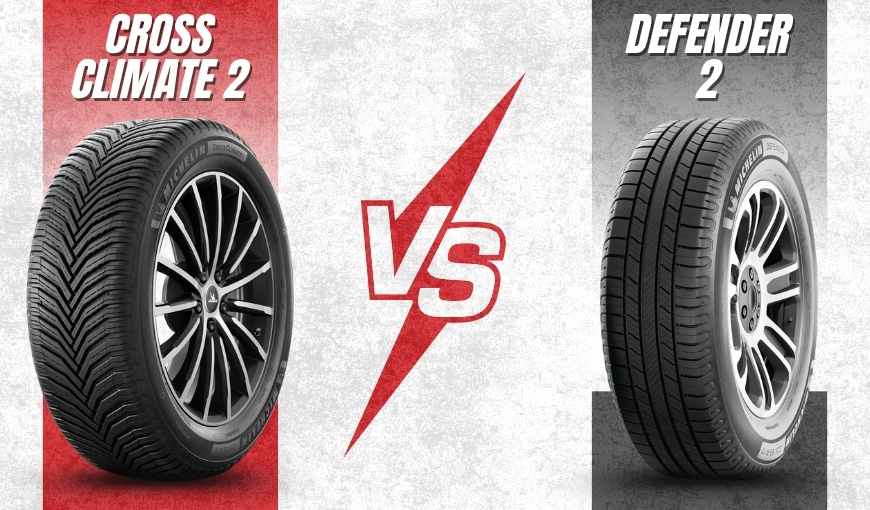
Michelin CrossClimate2

The Michelin CrossClimate2 is an all-season tire designed for cars, SUVs, CUVs, and vans, offering proven performance in a range of weather conditions. The tire is the ideal choice for those who want great wet and dry braking, long tread life, and dependable traction in light snow.
Key Points:
- Stops shorter than competitors in wet/dry tests.
- Outlasts the competition with strong tread life.
- Supported by a 60,000-mile warranty, 60-day guarantee
- Pricing starts at $185.99/tire
- DWW Financing as of July 20, 2025 (Set of 4) Starting from $4.37/week
Goodyear Assurance WeatherReady

The Goodyear Assurance WeatherReady is Goodyear's premier all-season tire. It gives commuters confidence in every weather situation. From sedans to family SUVs, it can be used with a variety of passenger cars.
Key Points:
- Asymmetric tread pattern
- Evolving Traction Grooves™
- Soybean oil compound
- Pricing starts at $132.06/tire
- DWW Financing as of July 20, 2025 (Set of 4) Starting from $3.10/week
LT vs P Tires—Which is Best for You?
It takes more than simply knowing tire codes to distinguish between LT vs P tires; it also involves matching the performance of your vehicle to its intended use. As we've covered, LT tires are the champions of high loads, rugged terrain, and maximum durability, while P-metric tires excel for comfort, fuel economy, and daily use on paved roads.
The decision must meet the specific needs of how you use your truck, your driving style, and the types of roads you drive on. Remember, every choice should ensure that each journey is an experience, not just a ride, with complete confidence, safety, and efficiency.
Are you prepared to add the ideal set to your vehicle? Beyond simply selecting the appropriate tires, consider matching them with custom wheels that will enhance performance, style, and truly bring out the distinctive character of your vehicle.
Frequently Asked Questions
Generally, no. Using P-metric tires instead of the original LT tires will lower your vehicle's stability and load capacity, potentially compromising safety, especially when towing or transporting heavy loads. Always follow your vehicle manufacturer's recommendations.
Check for the letters "LT" or "P" just before the size numbers on the tire's sidewall. "LT" means Light Truck, while "P" or no letter indicates a P-metric (Passenger) tire.
At Discounted Wheel Warehouse, you can find a vast range of LT and P tires from all the major tire brands. We offer great deals, top models, fast shipping, and doorstep delivery.
True. P-metric tires are the most common and are designed for passenger vehicles like cars, minivans, and small SUVs.